
- The Silent Threat: Why Emergency Responder Radio Communication Systems are Crucial
- Understanding Public Safety DAS: The Heart of In-Building Wireless
- Avoiding the Pitfalls: Risks of Non-Compliance and Unprofessional Installation
- The Professional Edge: Benefits of Certified BDA/ERRCS Installation
- The Mark of Excellence: What Defines a Certified ERRCS Professional
- Safeguarding Your Investment: The Importance of Ongoing ERRCS Maintenance
- Lexico: Your Trusted Partner for Certified ERRCS Solutions
- Frequently Asked Questions About Certified ERRCS Professionals
In our modern world, buildings are becoming more complex. They often feature materials and designs that can block vital radio signals. This creates ‘dead zones’ where emergency responders, such as firefighters and paramedics, cannot communicate reliably. This lack of clear emergency responder radio communication systems (ERRCS) is a critical safety issue.
Ensuring that these heroes can talk to each other and their command centers is not just a good idea; it’s often a legal requirement. This is where a robust BDA/ERRCS installation comes in. This blog post will explore why choosing a certified ERRCS professional is absolutely essential. It’s about more than just equipment; it’s about safeguarding lives, meeting strict code compliance, and ensuring reliable emergency communication when it matters most.
The Silent Threat: Why Emergency Responder Radio Communication Systems are Crucial
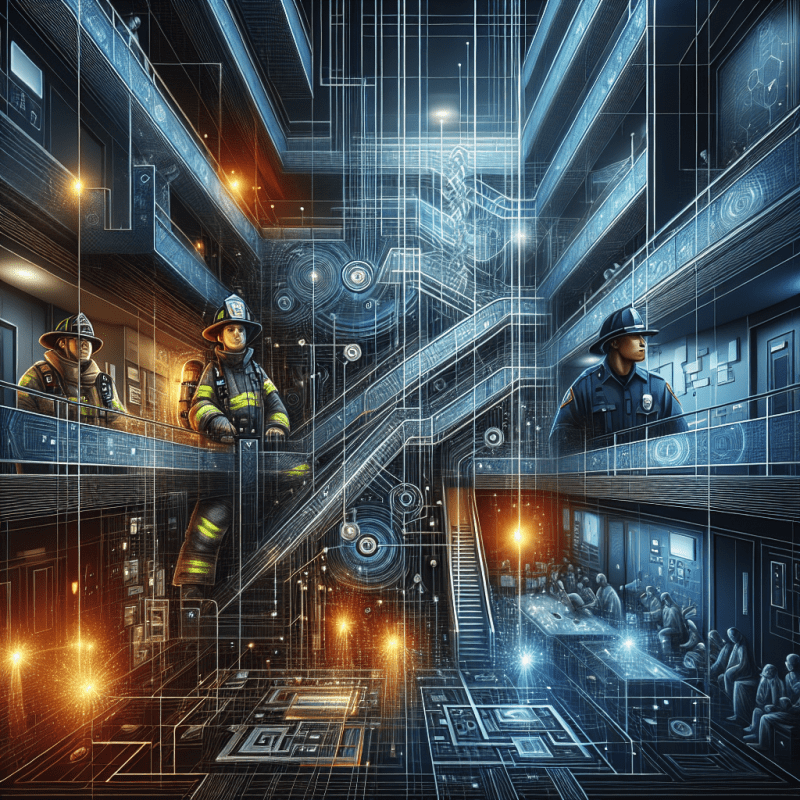
Imagine an emergency inside a large building – a fire, a medical crisis, or another dangerous situation. Every second counts. First responders rush in, but their vital two-way radios go silent. Thick concrete walls, metal structures, and energy-efficient windows can severely weaken public safety radio signals, creating dangerous communication blackouts.
These in-building wireless solutions are not a luxury; they are a necessity. When first responders cannot communicate, their safety is at risk, and their ability to save lives is compromised. This is precisely why emergency responder radio communication systems were developed and mandated.
Communication Blackouts: A Hidden Danger
Buildings today are designed for energy efficiency and aesthetic appeal. However, these modern materials often become barriers for radio waves. Basements, stairwells, elevator shafts, and the core areas of high-rise buildings are notorious for being ‘dead zones.’ These areas prevent first responders from receiving crucial instructions or calling for backup.
Such communication failures can lead to disastrous outcomes. Without clear radio contact, coordination among teams breaks down, response times increase, and emergency personnel face greater personal danger. An effective ERRCS system solves this fundamental problem, turning potential chaos into coordinated action.
The Lifeline: How ERRCS Protects Our Heroes
An ERRCS acts as a lifeline, ensuring that public safety radio signals reach every corner of a building. It means firefighters can report their location and conditions, police can coordinate their efforts, and paramedics can relay patient information without interruption. This seamless communication is fundamental to saving lives and managing emergencies effectively.
Regulatory bodies like the National Fire Protection Association (NFPA) and the International Fire Code (IFC) recognize this critical need. They have established specific requirements for ERRCS to guarantee code compliance. For example, NFPA 1225 and IFC Section 510 detail these mandates. These codes aim to prevent communication failures and protect both occupants and emergency personnel during the most stressful situations.
Understanding Public Safety DAS: The Heart of In-Building Wireless
To ensure consistent reliable emergency communication inside buildings, specialized technology is required. This technology is often referred to as a Public Safety DAS (Distributed Antenna System). It forms the backbone of any effective ERRCS. Understanding how these systems work helps building owners and managers appreciate the complexity and the need for specialized ERRCS expertise.
A Public Safety DAS is an intricate network designed to take weak external public safety radio signals and distribute them strongly throughout a building. This system ensures that every area, even those traditionally prone to dead zones, receives clear signals. It’s a comprehensive in-building wireless solution tailored specifically for emergency communications.
What is a Public Safety DAS?
A Public Safety DAS is a network of antennas and signal boosters strategically placed throughout a building. Its purpose is to capture external radio signals used by police, fire, and EMS, amplify them, and then broadcast them internally. This process works in reverse as well, taking signals from inside the building and sending them out to external networks.
This robust system fills in the signal gaps created by modern construction materials. It essentially extends the reach of the outside public safety radio network into the innermost parts of a structure. By doing so, it ensures that first responders always have a clear, uninterrupted channel for critical communications, protecting both them and the building’s occupants.
How BDA Systems Function
At the core of many Public Safety DAS setups are BDA systems, or Bi-Directional Amplifiers. As their name suggests, BDAs are specialized signal boosters. They amplify public safety radio signals in two directions: incoming signals from outside the building to inside, and outgoing signals from inside the building back to the external radio network.
BDA systems are crucial for boosting weak signals, allowing them to penetrate challenging environments like basements or deep within high-rise structures. They are carefully selected and installed based on the specific radio frequencies used by the local public safety agencies. This technical precision requires the knowledge of a certified ERRCS professional to ensure correct frequency alignment and optimal system performance.
Avoiding the Pitfalls: Risks of Non-Compliance and Unprofessional Installation
Ignoring the requirements for emergency responder radio communication systems carries significant risks. It’s not just about avoiding fines; it’s about preventing potential tragedies and ensuring code compliance. Many building owners mistakenly believe a minimal effort will suffice, or they might try to cut corners with an uncertified installer. This can lead to serious legal, financial, and safety consequences.
Professional BDA/ERRCS installation is crucial because these systems are literally lifelines. A poorly designed or incorrectly installed system might appear to work, but fail spectacularly when truly needed. This can result in costly repairs, project delays, and, most importantly, put lives at risk during an emergency. Building owners must recognize that AHJ approval and adherence to strict standards are non-negotiable for public safety DAS.
Legal and Financial Repercussions
Failure to meet code compliance for ERRCS can lead to substantial penalties. Local Authorities Having Jurisdiction (AHJ approval), such as fire marshals and building departments, enforce these codes rigorously. Non-compliant buildings may face fines, delayed occupancy permits, or even be deemed unsafe for use.
Additionally, FCC regulations govern signal boosters like BDAs. Improper installation can cause interference with licensed radio frequencies, leading to more fines and orders to shut down the system. These financial burdens, coupled with legal issues, can far outweigh the cost of professional, compliant installation. A certified ERRCS professional understands these regulations and ensures adherence to all requirements, protecting your investment and your building’s operational status.
Compromising Safety and System Reliability
The most severe risk of non-compliance or unprofessional installation is the compromise of safety. A system that doesn’t work correctly during an emergency is worse than no system at all, as it creates a false sense of security. If public safety radio signals fail to transmit reliably, firefighters or police officers could be left without vital communication, jeopardizing their lives and the lives of building occupants.
An incorrectly installed BDA/ERRCS might have weak spots, or ‘dead zones,’ despite being present. It might interfere with other critical systems or not function properly under stress. This lack of true system reliability directly endangers first responders. A certified expert guarantees that the system is not only installed but also tested to function perfectly, delivering on its promise of reliable emergency communication.
The Professional Edge: Benefits of Certified BDA/ERRCS Installation
Choosing a certified ERRCS professional for your BDA/ERRCS installation is paramount. These professionals bring a level of specialized ERRCS expertise that ensures your system is designed, installed, and tested to the highest standards. Their work is about precision, adherence to codes, and guaranteed performance, not just hooking up equipment.
This professional edge means your building’s in-building wireless solutions for public safety will be robust and dependable. It removes the guesswork and provides peace of mind. From the initial iBwave design to thorough grid testing, every step is meticulously managed, ensuring system commissioning is flawless and meets AHJ approval.
Expert Design and Planning with iBwave
Effective ERRCS begins with an expert design. Certified professionals utilize advanced tools like iBwave design software to create a precise blueprint for your public safety DAS. This sophisticated software allows for predictive modeling of radio frequency propagation within your building.
With iBwave design, professionals can accurately map out antenna placement, anticipate signal behavior, and identify potential interference sources. This detailed planning prevents costly errors during installation and ensures optimal coverage throughout the building. It’s the critical first step in delivering truly reliable emergency communication, tailored specifically to your building’s unique layout and materials.
Flawless Execution and Equipment Selection
Once the design is complete, a certified ERRCS professional ensures flawless execution of the BDA/ERRCS installation. They understand the nuances of working with complex building structures and integrating the system seamlessly. This involves precise cable routing, proper component mounting, and strict adherence to electrical and fire safety codes.
Certified professionals also possess deep knowledge of leading BDA systems and their manufacturers, such as Nextivity, Fiplex, Comba, ADRF, and Westell. They can select the right equipment that matches your building’s needs and the local public safety frequencies. This ensures compatibility, optimal performance, and long-term system reliability, preventing future issues and ensuring code compliance.
Rigorous Testing and System Commissioning
Installation is only half the battle; thorough testing is what guarantees an ERRCS will perform when needed. Certified ERRCS professional conduct extensive testing protocols. This includes signal benchmark testing to establish baseline performance and comprehensive grid testing across the entire building. Grid testing involves measuring signal strength at specific points to ensure consistent, compliant coverage.
These rigorous tests confirm that public safety radio signals meet or exceed the requirements of NFPA 1225 and IFC Section 510. Finally, system commissioning involves activating and verifying all components, often in the presence of the AHJ. This final verification ensures the system is fully operational, documented, and ready to provide reliable emergency communication under any circumstances. Without this meticulous testing, a system’s true functionality remains unproven.
The Mark of Excellence: What Defines a Certified ERRCS Professional
What sets a certified ERRCS professional apart from a general electrician or IT technician? It’s a combination of specialized training, deep industry knowledge, and a commitment to public safety. These professionals undergo specific certifications and continuous education to stay ahead of evolving technologies and regulations. Their specialized ERRCS expertise is not just theoretical; it’s honed through practical experience with complex in-building wireless solutions.
Choosing a certified expert means you are investing in peace of mind. You are ensuring that your emergency responder radio communication systems are in the hands of someone who truly understands the critical nature of the work. This level of expertise is vital for navigating the intricacies of public safety DAS and BDA/ERRCS installation.
Deep Industry Knowledge and Training
Becoming a certified ERRCS professional requires extensive training focused specifically on emergency responder radio communication systems. This includes understanding radio frequency theory, antenna design, coaxial cable performance, and signal booster technology. They are proficient in interpreting complex building blueprints and assessing signal propagation challenges unique to various building materials.
Certifications from recognized industry bodies confirm their mastery of these technical skills. This deep knowledge ensures they can accurately design and troubleshoot intricate public safety DAS setups. It’s this foundation of specialized learning that allows them to deliver effective, compliant in-building wireless solutions for reliable emergency communication.
Hands-on Experience with Complex BDA Systems
Beyond theoretical knowledge, certified ERRCS professional possess invaluable hands-on experience. They have worked on numerous BDA/ERRCS installation projects, tackling diverse building types and overcoming unique technical hurdles. This practical experience is crucial for dealing with unexpected challenges that often arise during installation and testing.
Their expertise extends to specific BDA systems and components, allowing them to recommend the most suitable technology for your building. This practical know-how ensures that signal benchmark testing and grid testing are performed correctly. It also guarantees that any issues are quickly and effectively resolved, contributing to the overall system reliability and code compliance of the ERRCS.
Navigating Complex Regulations and AHJ Requirements
The regulatory landscape for ERRCS is complex and constantly evolving. Certified ERRCS professional are experts in NFPA 1225, IFC Section 510, FCC regulations, and local AHJ requirements. They understand that compliance isn’t a one-size-fits-all solution; it varies by jurisdiction and building type.
Their role includes ensuring all necessary permits are obtained and that the installed system meets every specific code compliance mandate of the local fire department and building officials. They act as your advocate, working closely with the AHJ approval process to streamline inspections and final system commissioning. This expertise protects building owners from costly delays, penalties, and potential operational shutdowns due to non-compliance.
Safeguarding Your Investment: The Importance of Ongoing ERRCS Maintenance
Installing a compliant emergency responder radio communication systems is a significant step, but it’s not the end of the journey. Like any critical infrastructure, ERRCS requires regular ERRCS maintenance to ensure its continuous functionality and system reliability. Neglecting maintenance can lead to a gradual degradation of performance, leaving your building vulnerable to communication failures precisely when they are least affordable.
Ongoing ERRCS maintenance is crucial for sustaining peak performance and upholding code compliance. NFPA and IFC codes often mandate specific inspection and testing frequencies. These requirements ensure that the system remains ready to provide reliable emergency communication at all times. A certified ERRCS professional offers comprehensive maintenance plans, protecting your initial BDA/ERRCS installation investment and, more importantly, the safety of your building.
Sustaining Peak Performance and System Reliability
Over time, environmental factors, changes in building occupancy, or even simple wear and tear can affect ERRCS performance. Regular ERRCS maintenance checks involve re-verifying signal strengths, inspecting antennas and cabling for damage, and checking power supplies and battery backups. These preventative measures catch minor issues before they become major failures.
Maintaining the system ensures that public safety radio signals remain strong and clear throughout the building. It verifies that BDA systems are functioning correctly and that there are no new dead zones. This ongoing vigilance provides peace of mind, knowing that the in-building wireless solutions for emergency responders are always operational and dependable, ready for any crisis.
Ensuring Long-Term Code Compliance
NFPA and IFC codes not only dictate BDA/ERRCS installation requirements but also ongoing ERRCS maintenance and testing schedules. For example, annual inspections and five-year recertifications are commonly mandated. Failing to adhere to these maintenance schedules can lead to a lapse in code compliance, potentially resulting in fines, loss of AHJ approval, or even a declaration that the building is non-compliant.
A certified ERRCS professional understands these recurring requirements. They can establish a comprehensive maintenance plan that includes scheduled inspections, performance testing, and necessary repairs or upgrades. This proactive approach ensures your building continuously meets all regulatory obligations, avoiding legal issues and demonstrating a commitment to public safety. Consistent maintenance is a cornerstone of long-term system reliability.
Lexico: Your Trusted Partner for Certified ERRCS Solutions
When lives are on the line, there’s no room for compromise. Choosing the right partner for your emergency responder radio communication systems is a decision of critical importance. Lexico stands as a leader in providing comprehensive in-building wireless solutions, specializing in BDA/ERRCS services that meet the highest standards of safety and code compliance.
Our team of certified ERRCS professional brings unparalleled specialized ERRCS expertise to every project. From meticulous iBwave design and expert BDA/ERRCS installation to rigorous signal benchmark testing, grid testing, and ongoing ERRCS maintenance, Lexico offers a full lifecycle approach. We ensure your system is not only compliant today but remains reliable for years to come, providing the reliable emergency communication our first responders deserve.
We understand the complexities of public safety DAS, FCC regulations, NFPA 1225, IFC Section 510, and local AHJ approval processes. Lexico’s commitment is to deliver seamless, robust in-building wireless solutions that empower emergency personnel and protect everyone within your building. With Lexico, you gain a partner dedicated to excellence and public safety.
Frequently Asked Questions About Certified ERRCS Professionals
What is ERRCS and why is it critically needed in buildings?
ERRCS, or Emergency Responder Radio Communication Systems, are specialized networks designed to boost public safety radio signals inside buildings. They are critically needed because modern construction materials often block crucial radio signals, creating ‘dead zones’ where firefighters, police, and paramedics cannot communicate. ERRCS ensures reliable emergency communication throughout the entire structure.
Who mandates ERRCS installation and what are the main codes?
ERRCS installation is typically mandated by local fire marshals, building departments, and other Authorities Having Jurisdiction (AHJ approval). Key codes and standards include NFPA 1225 (National Fire Protection Association) and IFC Section 510 (International Fire Code). These codes detail the requirements for in-building wireless solutions to ensure code compliance and public safety.
How often does an ERRCS need to be tested and maintained?
ERRCS maintenance and testing schedules are typically outlined in NFPA and IFC codes. Generally, annual inspections and performance tests are required, along with a comprehensive recertification process every five years. Regular testing, including signal benchmark testing and grid testing, ensures the system remains fully operational and compliant, supporting system reliability.
Can I install an ERRCS system myself to save costs?
No, ERRCS installation should never be a DIY project. These are highly complex in-building wireless solutions that require specialized ERRCS expertise. Improper installation can lead to non-compliance, legal penalties, system failure during an emergency, and dangerous interference with public safety radio signals (violating FCC regulations). A certified ERRCS professional is essential for proper BDA/ERRCS installation, iBwave design, and system commissioning.
What are the main benefits of working with a certified ERRCS professional?
Working with a certified ERRCS professional ensures your emergency responder radio communication systems are expertly designed, installed, tested, and maintained. Benefits include guaranteed code compliance, optimal system reliability, proper equipment selection, adherence to FCC regulations and AHJ approval, and peace of mind that first responders will have reliable emergency communication during critical events. They provide crucial specialized ERRCS expertise from start to finish.
Ensuring reliable emergency communication within your building is an investment in safety, compliance, and peace of mind. The complexities of emergency responder radio communication systems, public safety DAS, and BDA/ERRCS installation demand the highest level of specialized ERRCS expertise. Don’t leave the critical lifeline for our first responders to chance.
Lexico is your dedicated partner, providing comprehensive in-building wireless solutions backed by certified ERRCS professional. We offer end-to-end BDA/ERRCS services, from initial iBwave design to flawless installation, meticulous signal benchmark testing, and ongoing ERRCS maintenance. Contact Lexico today to learn how our expert team can ensure your building meets all safety mandates and provides unwavering support for emergency personnel. Secure your building’s safety with Lexico’s trusted solutions.
Ensure Your Building's Safety - Contact Lexico Today